Week 01 · September 20, 2026
Bringing the System Online
The farm is running! There’s still a lot to finish, but it’s no longer a pile of equipment in my basement. There is actually water moving through this thing.
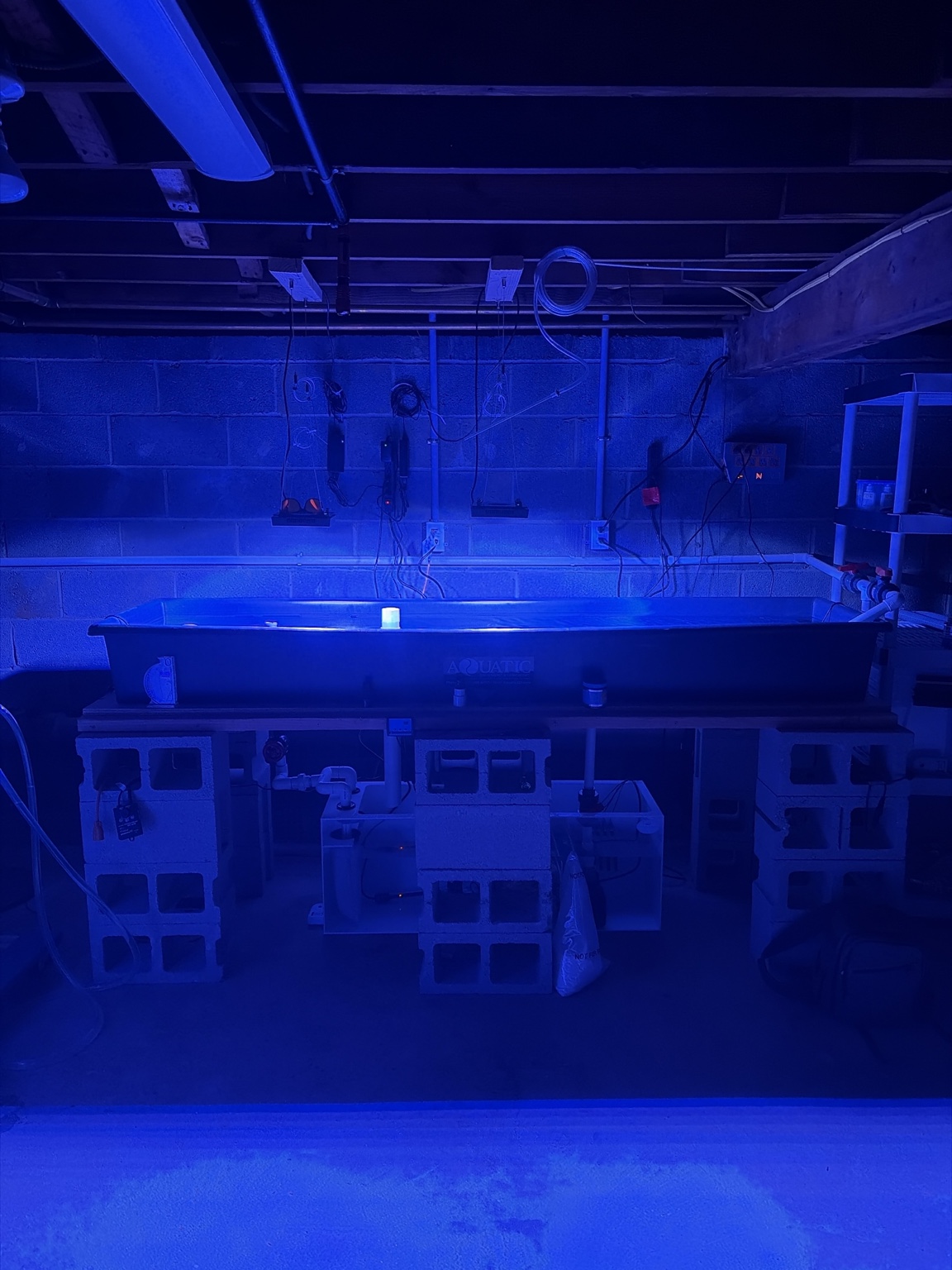
Well... the moment finally came. I filled the trough. And then I spent a ridiculous amount of time looking underneath it, expecting something to leak.
I’ve been thinking about this farm constantly. Measuring things, ordering parts, changing the plan, realizing I need another fitting. Seeing the whole system running is a very different feeling from looking at a shopping cart.
What’s crazy is I got this running before the fiberglass trough I originally considered would have even arrived. I’m glad I kept moving.
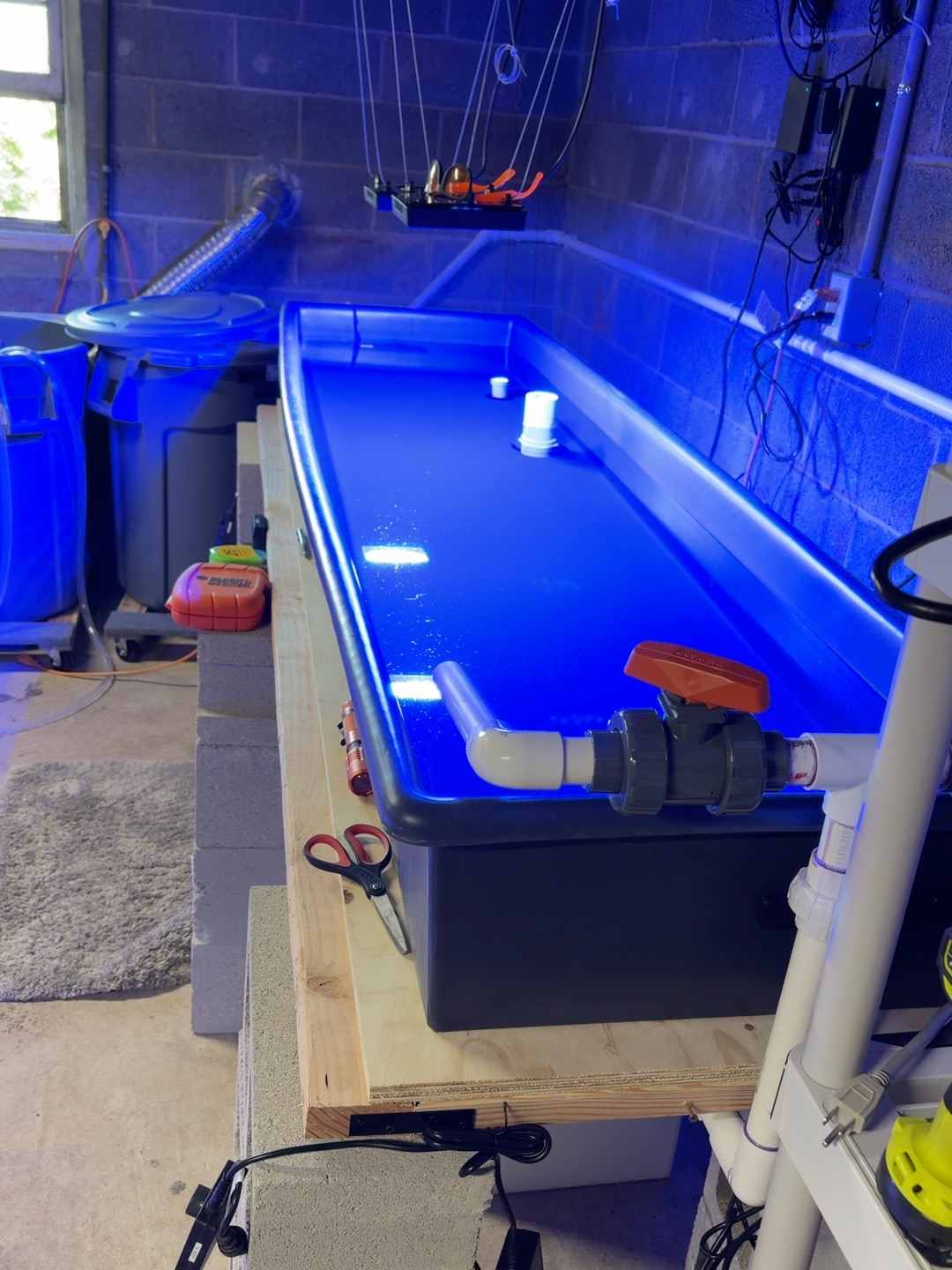
The build became a system
The grow-out tank is a 92-inch trough, with a big sump underneath and a stand built from cinderblocks, lumber, and plywood. It sounds pretty simple when I write it like that. Getting everything to fit underneath it was not.
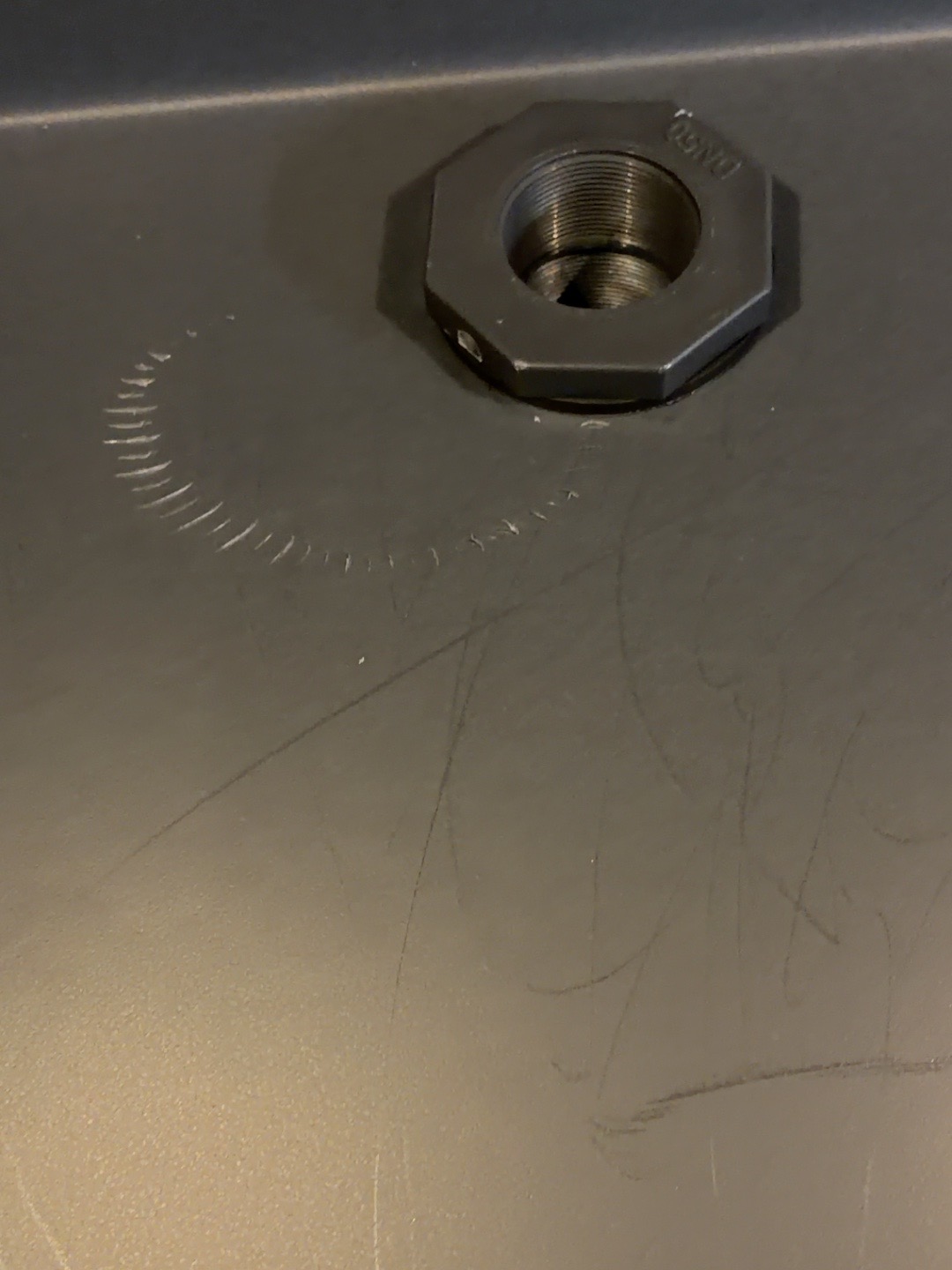
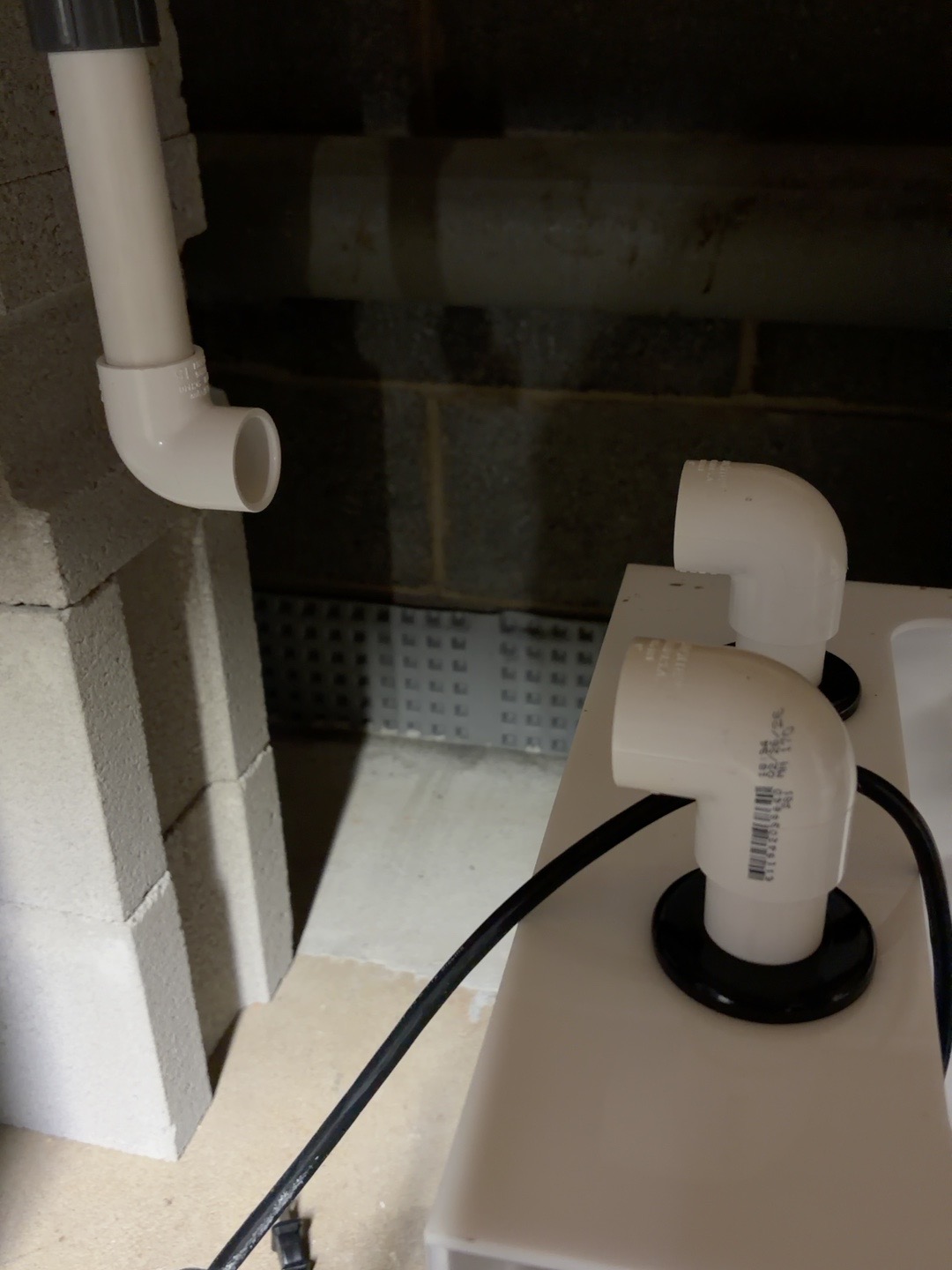
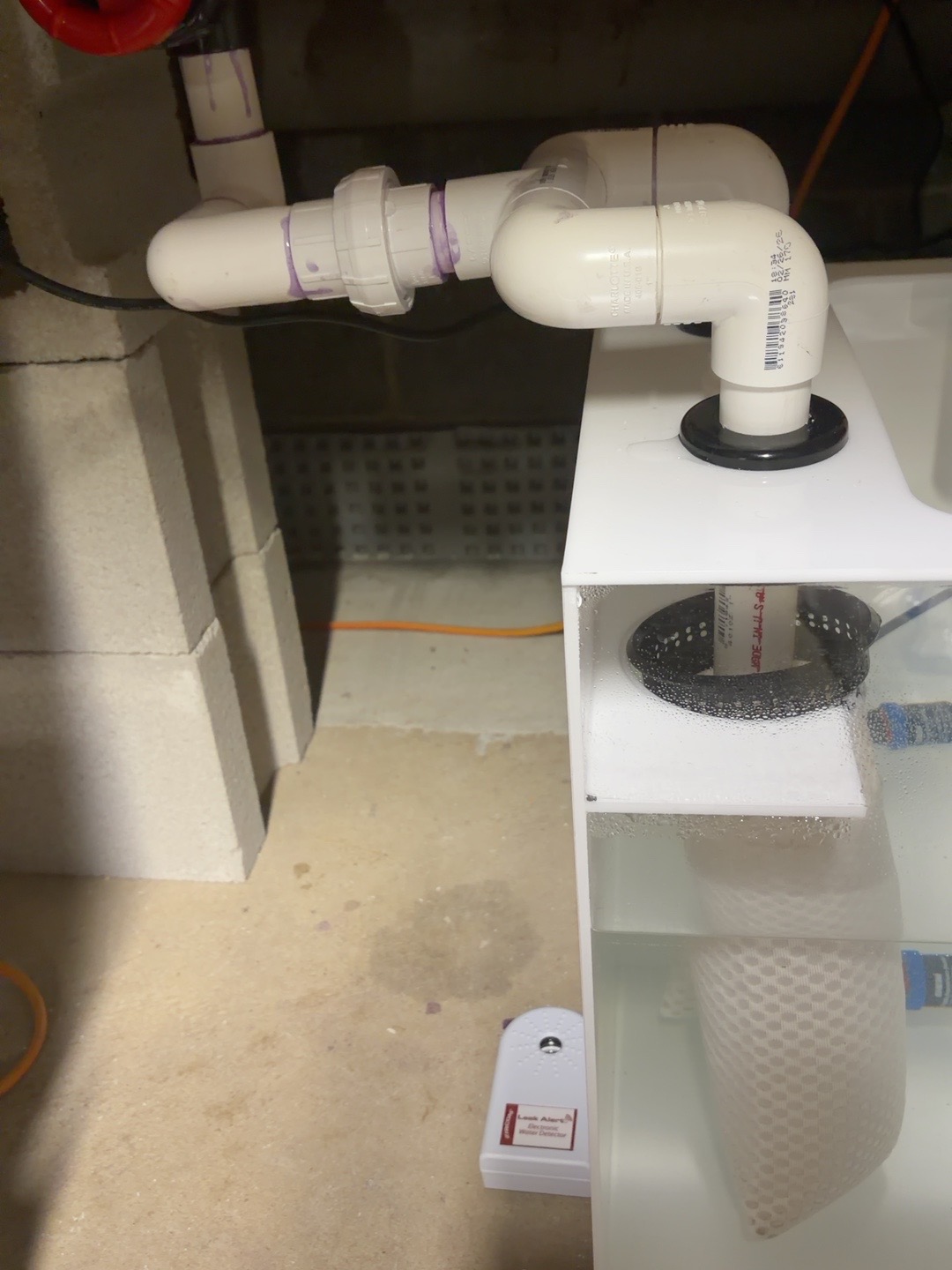
I drilled the trough myself. The hole saw slipped during the first bulkhead hole, which was stressful, but the bulkhead is in. Then came the main drain, the larger emergency drain, and trying to get the plumbing into both filter socks without making the whole thing impossible to take apart.
The trough bows in the middle when it’s filled. I’m still keeping an eye on that and the support beneath it. Water circulating does not mean I’m calling every part of the build finished.
The first cycle
I started the cycle with ammonium chloride and bottled bacteria. I hate the waiting part. After all the work getting here, it’s hard to accept that the next stage is mostly testing water and giving it time.
I got impatient and added damsels early. One died and ended up against the drain, which brought the water level up. That is part of this week too. I’m not writing this as a perfect build or a recommendation to rush the cycle. The remaining fish eating has been encouraging, but it doesn’t tell me the biological filter is ready.
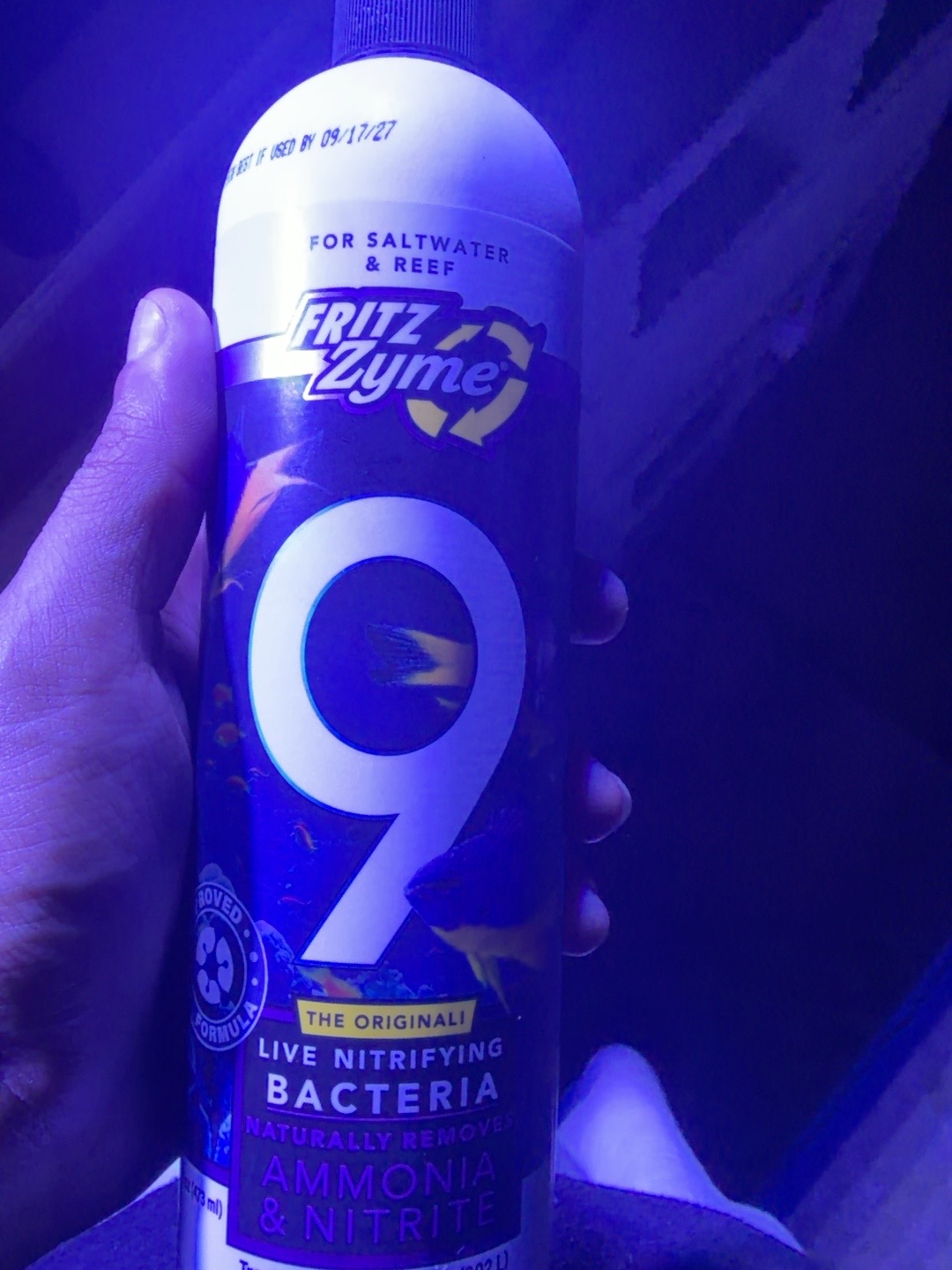
Ammonia, nitrite, and nitrate need continued testing through the cycle; the latest reported test results are in the evening update below. The Apex gives me useful information, but it can’t tell me those numbers with the probes I have.
Equipment coming online
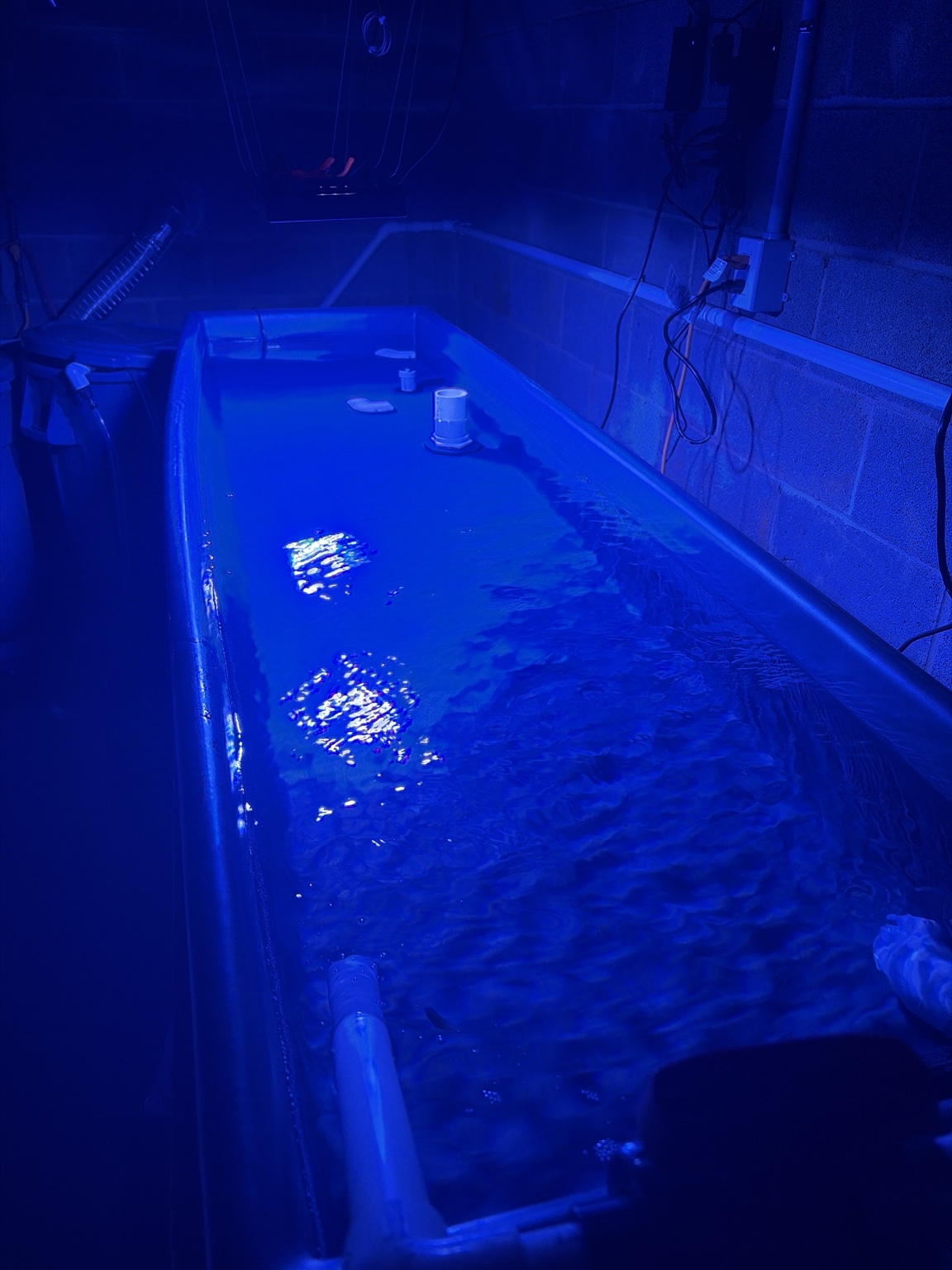
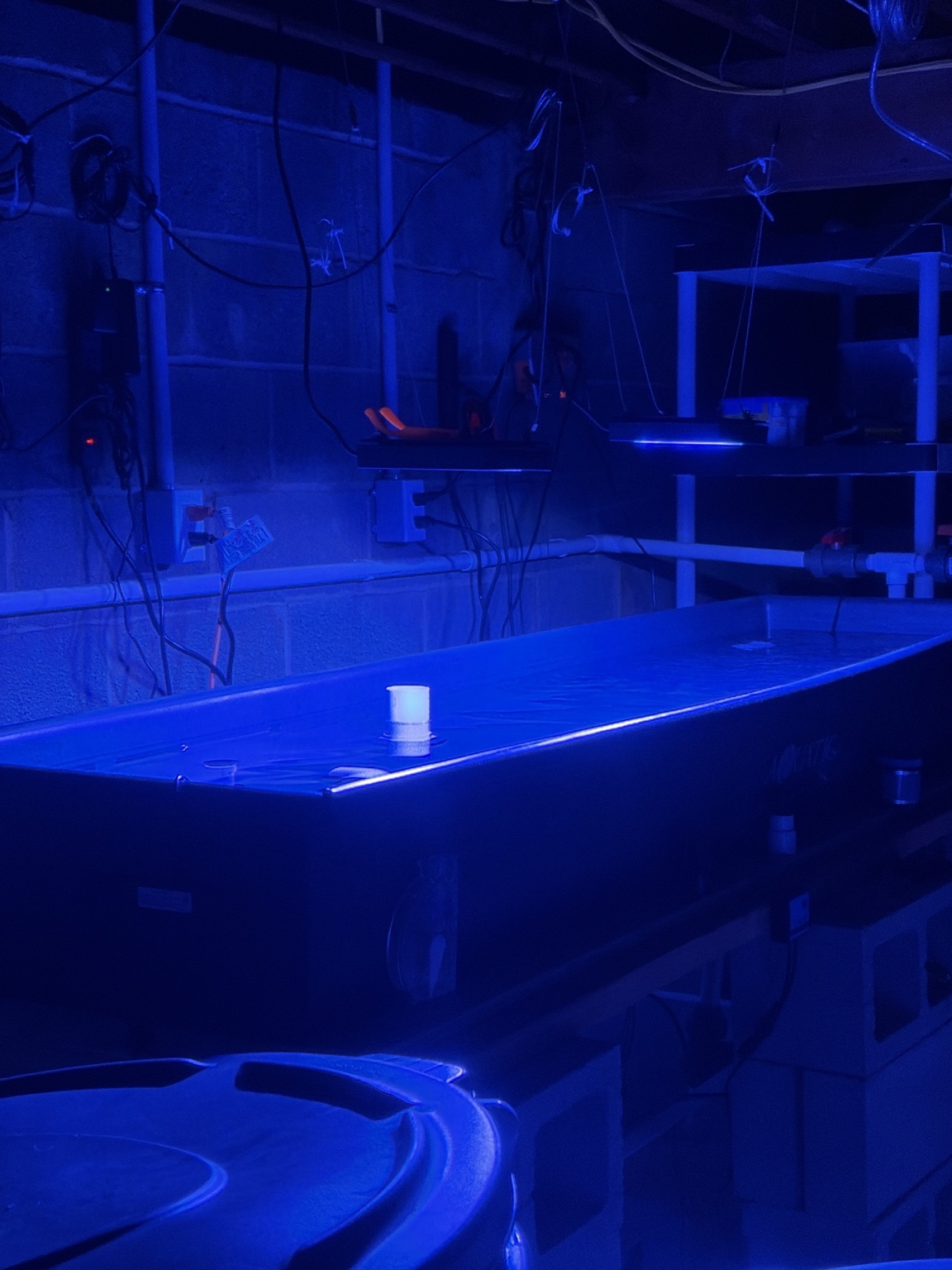
The lights are up, the return is moving water, and I’ve been watching the temperature and how much the heaters are running. Today I turned the skimmer on too. Another piece of equipment finally doing something instead of just sitting there.
I also got the Apex outlets renamed and working after accidentally deleting things while figuring it out. There have been a lot of little moments like that. Fix one thing, find the next thing.
Today’s update · September 20, 2026
Okay... the website gets live readings now.
I wanted people visiting this site to see what the system is actually doing. Not numbers I typed into a page once and forgot about. Temperature, pH, ORP, and eventually a salinity reading I can trust.
I already had Apex Fusion open on my desktop, so I thought this would be pretty straightforward. It was not. Getting into the dashboard and getting a separate program to read the same information turned out to be two different things.
First we found the controller on my home network. Then we set up a small bridge on my desktop to read the probes and upload them to ThingSpeak, which gives the website a public feed to read. My desktop stays on, so that’s the computer doing the uploading.
Then came the 401 errors. Over and over. The browser could see the readings. The bridge couldn’t. We went through the API key, the local login, and several versions of the script before finding what was missing.
The login returned a session ID, and the browser was sending it back as a cookie on the next request. The bridge needed to do the same thing with its own login. Once that was fixed, the first upload finally went through.
FINALLY. It’s uploading every 60 seconds now. The live panel on the homepage reads that feed and shows when it last updated. If the bridge stops or the computer goes to sleep, the site will stop getting fresh numbers. It’s a working setup, not magic.
The salinity probe is still reading 1.5, which doesn’t agree with my separate measurement. I’m leaving that number out of the live display until I calibrate the probe properly. Getting a number onto a website and knowing that number is right are two separate jobs.
Evening update · September 20, 2026
More heat, finished returns, and racks that won’t stay put.
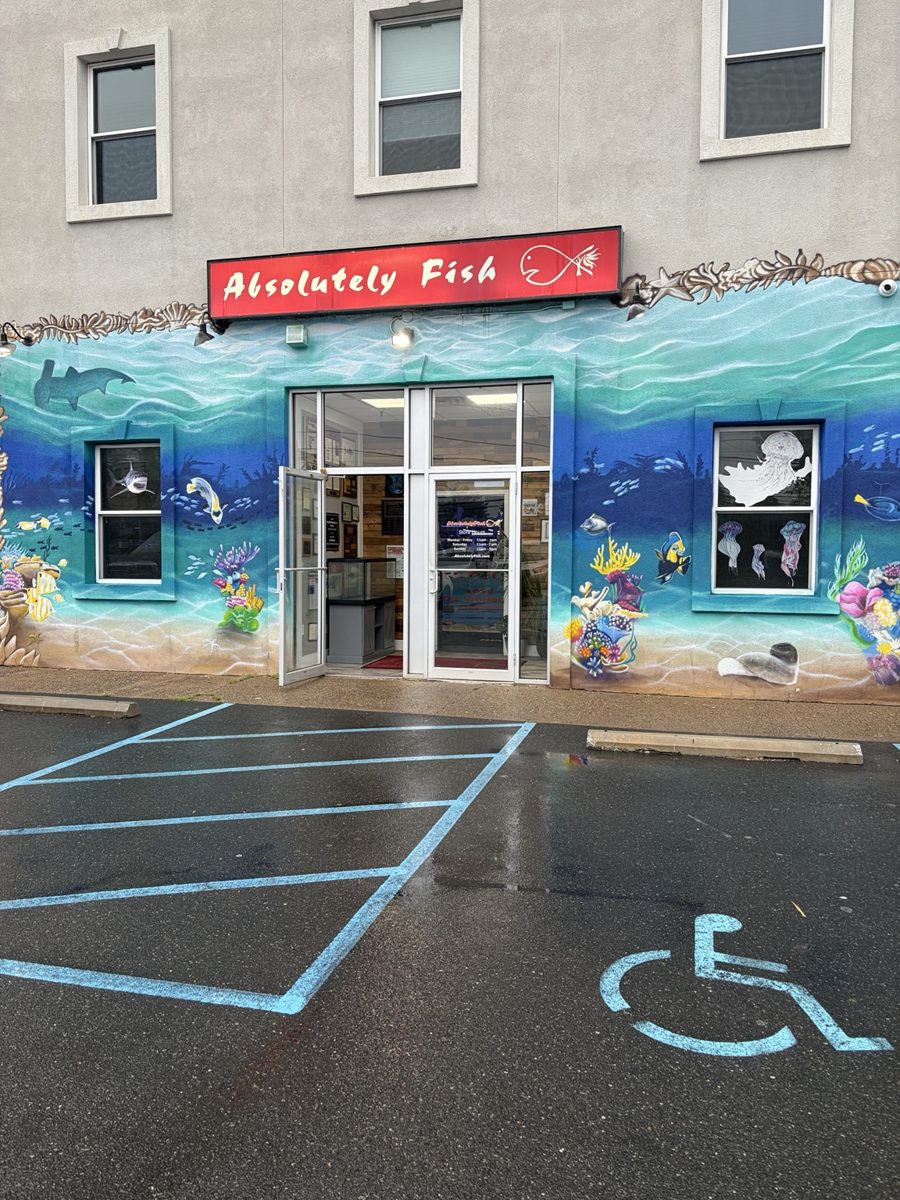
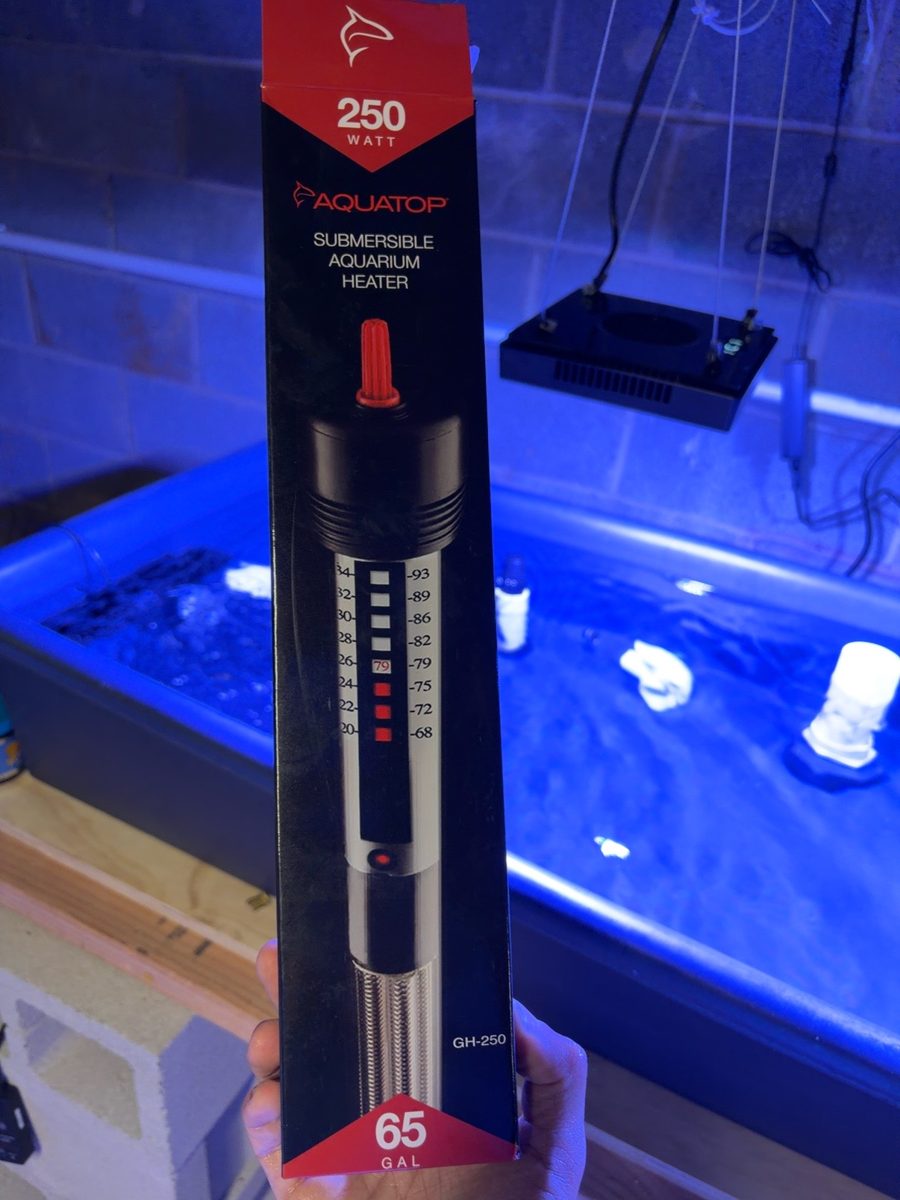
I stopped at Absolutely Fish and picked up another heater, an Aquatop 250W. It’s in the system now. I’m hoping the extra heating capacity helps it reach and hold temperature more easily, but I still need to watch how it behaves overnight before calling that sorted.
I also had the water tested while I was there: ammonia was at least 1.0 ppm, with almost no nitrite. I don’t have a new nitrate number to add. The system is still cycling; these results aren’t a sign that it’s ready for coral or more fish.
The conductivity calibration fluid is ordered. Until it arrives and I calibrate and check the probe, I’m keeping its salinity number out of the live display.
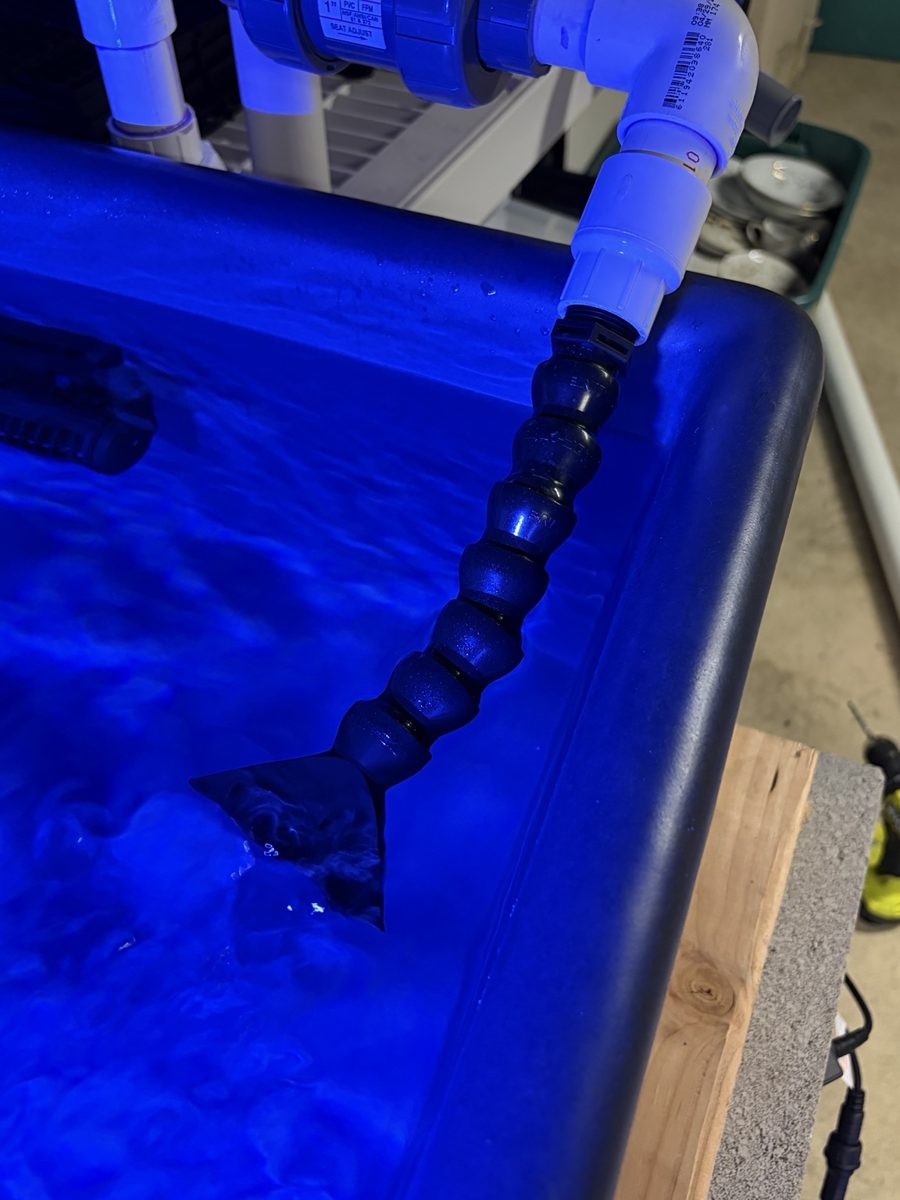
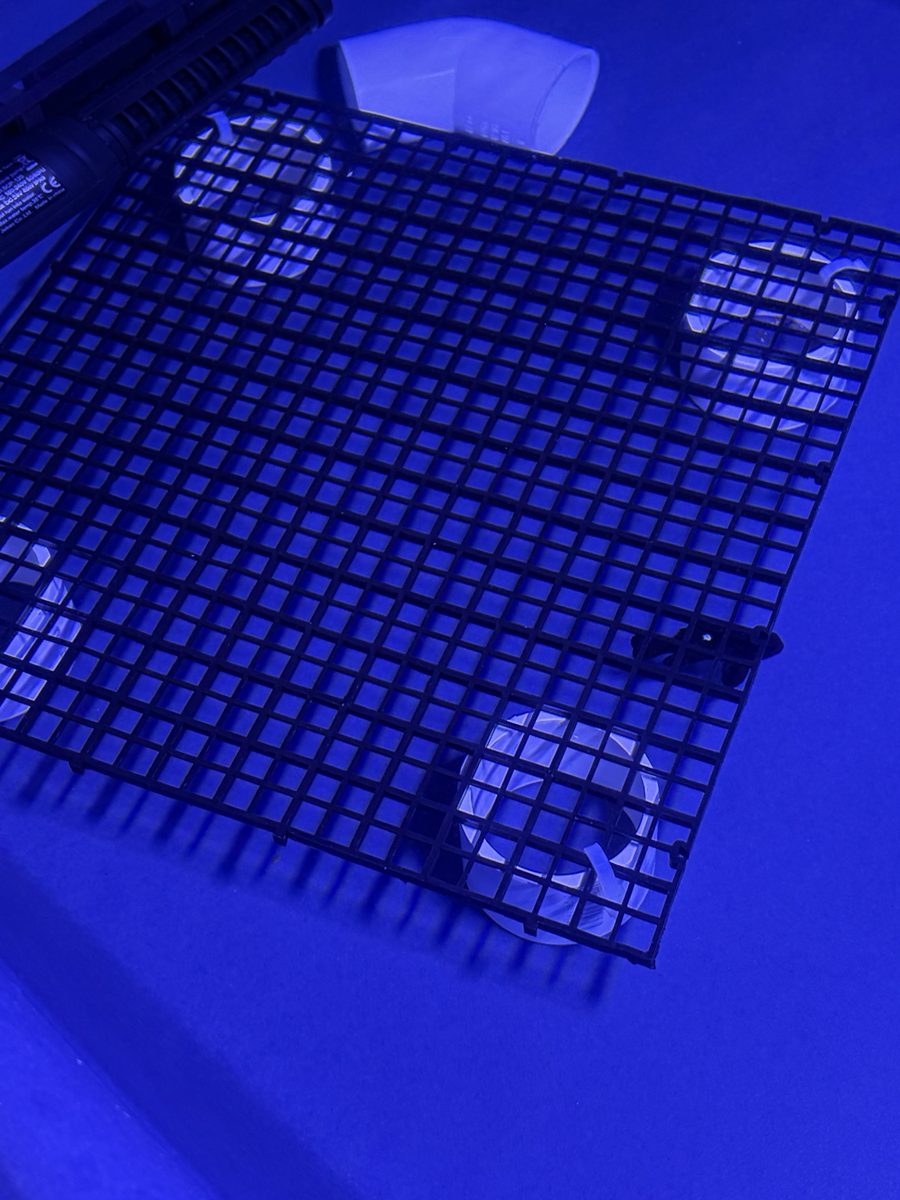
The Loc-Line return plumbing is finally finished. I also did some prototyping with the frag racks. They sink now, which is progress, but turn the gyres on and they start migrating around the trough. Next job: find a way to weigh or secure them so they stay where I put them.
The skimmer is running too. Tonight’s focus is watching temperature with the added heater, keeping track of the cycle, and getting those racks to sit still.
Still on my list
- Calibrate the salinity probe when the ordered calibration solution arrives, check it against a separate measurement, then enable its live number here.
- Keep testing ammonia, nitrite, and nitrate while the system cycles.
- Finish and glue the permanent water-change plumbing. Some of it is still only fitted together.
- Sort out a drain guard that keeps fish and debris out without making the drain loud or restricting it too much.
- Keep watching the trough’s bowing, support, temperature, and heater runtime.
- Weigh or secure the frag racks: they sink now, but drift when the gyres run.
- Make the desktop bridge easier to restart after a reboot. For now, it needs to stay open.
Next
I want coral in here. Obviously. But first I need to finish these loose ends and know what the water is doing.
I have momentum and I want to keep it. There’s always another task, but being able to walk downstairs and see the system running makes all of this feel a lot more real.